Comparing Approaches

TRE™ vs Somatic Experiencing: What Is the Difference?

Two body-based approaches to stress and trauma that are often mentioned together. Here is how they differ, and how to choose.

The short answer

Both work with the body rather than only with talk. Somatic Experiencing® (SE), developed by Dr Peter Levine, is guided by a trained practitioner who helps you track sensations in small steps. TRE™, developed by Dr David Berceli, is a set of exercises you learn and then practise yourself.

Somatic Experiencing

What Is Somatic Experiencing®?

Somatic Experiencing® is a body-oriented approach to stress and trauma developed by Dr Peter Levine. In sessions, a trained practitioner helps you notice physical sensations and work with small, manageable amounts of activation, so the nervous system can gradually settle. It is usually one-to-one, and many practitioners are therapists or counsellors.

Levine developed the approach from studying stress physiology and from observing that wild animals, though often under threat, rarely seem to stay stuck in it. He described it in his 1997 book Waking the Tiger. Practitioners train through a multi-year professional programme and use the title Somatic Experiencing Practitioner (SEP).

Key SE ideas include tracking (noticing sensations as they change), titration (approaching difficult material a little at a time) and pendulation (moving between activation and a sense of ease). Sessions mostly involve guided attention and conversation; some practitioners also use touch.

TRE™

What Is TRE™?

TRE™ (Tension and Trauma Releasing Exercises) is a short sequence of simple exercises developed by Dr David Berceli. The exercises gently tire the leg muscles; you then lie down and let a natural, self-regulated tremor release tension. Once learned with a certified provider, usually over 3–4 sessions, you can practise it on your own.

TRE™ does not depend on conversation. You never need to talk about what happened: the body does the work through the tremor, and you decide how long it lasts. That makes it easy to use at home once you have learned it. See what happens during neurogenic tremoring.

Providers train through the Global TRE™ Provider Certification: three modules, each a 2-day workshop with online sessions and supervision, with the certificate issued by TRE™ for All. See TRE™ certification.

Side by Side

What Are the Main Differences Between TRE™ and SE?

The main difference is who leads. SE is a guided process: a trained practitioner works with you, session by session, often around specific experiences. TRE™ is a skill you learn: after a few guided sessions you practise the exercises yourself. SE relies mainly on guided attention to body sensation; TRE™ relies mainly on movement and the tremor reflex.

Both share a core idea: stress and trauma affect the body as well as the mind, and the nervous system can move back towards balance when it is given safety and time.

Choosing

Is One Better Than the Other?

Neither is better in general; they do different jobs. If you are working through specific traumatic experiences, a trauma-trained therapist, including one who uses SE, is usually the right starting point. If you want a simple practice to release everyday stress and tension on your own, TRE™ may suit you well.

Research on both is still developing. Somatic Experiencing has been studied in a small number of trials, including a randomised controlled trial for post-traumatic stress, and reviewers have called for more research. Research on TRE™ is younger still: small studies and practitioner reports describe reductions in stress, anxiety and physical tension, but there are not yet large, controlled trials.

Whichever you choose, check the practitioner’s training: SE practitioners use the title SEP, and TRE™ providers are certified through TRE™ for All.

Together

Can You Combine TRE™ With SE or Therapy?

Yes. TRE™ is a self-help practice, and many people use it alongside therapy, coaching or medical care. If you already work with an SE practitioner or therapist, let them know you would like to try TRE™, and tell your TRE™ provider about your therapy, so that the two support each other.

This matters most if you have a history of complex trauma or dissociation. In that case, speak to your therapist before you start, keep tremor periods short, and learn with a certified provider rather than from videos. See Is TRE™ safe?

Your Next Step

How Do You Choose the Right Body-Based Approach?

Start with what you need. For ongoing trauma symptoms, choose a qualified therapist; SE is one option. For everyday stress, tension and burnout, a self-regulation practice like TRE™ may be enough, or a useful complement. For leadership, change and pressure at work, somatic coaching can help. A short conversation with a practitioner usually makes it clearer.

Isabelle’s background is TRE™, somatic practice and executive coaching, and she will tell you honestly if another kind of support would serve you better. Read the complete guide to nervous system regulation and TRE™, see somatic coaching for executive burnout, or find a workshop on the events page.

Questions

Comparison FAQ

Is TRE™ a form of Somatic Experiencing?

No. They are separate approaches with different founders, trainings and methods. Both are body-based, and both draw on the idea that the nervous system can settle after stress.

Do I need a therapist to do TRE™?

Not usually. Most healthy adults learn TRE™ with a certified provider. If you have a mental health condition that needs clinical management, or a history of complex trauma, speak to your therapist or doctor first.

Which is quicker to learn on my own?

TRE™ is designed to be learned: most people can practise on their own after 3–4 guided sessions. SE usually unfolds over a series of practitioner-led sessions.

Can I learn TRE™ online?

Yes, with the right setup. Sessions run online via Zoom. Your facilitator needs to see your whole body on camera, and we ask for a trusted person nearby and a signed consent form. See how to prepare for an online session.

More questions? See the full TRE™ FAQ.

This article is general information, not medical advice. TRE™ is a self-help practice and is not a substitute for diagnosis or treatment by a doctor or mental health professional.
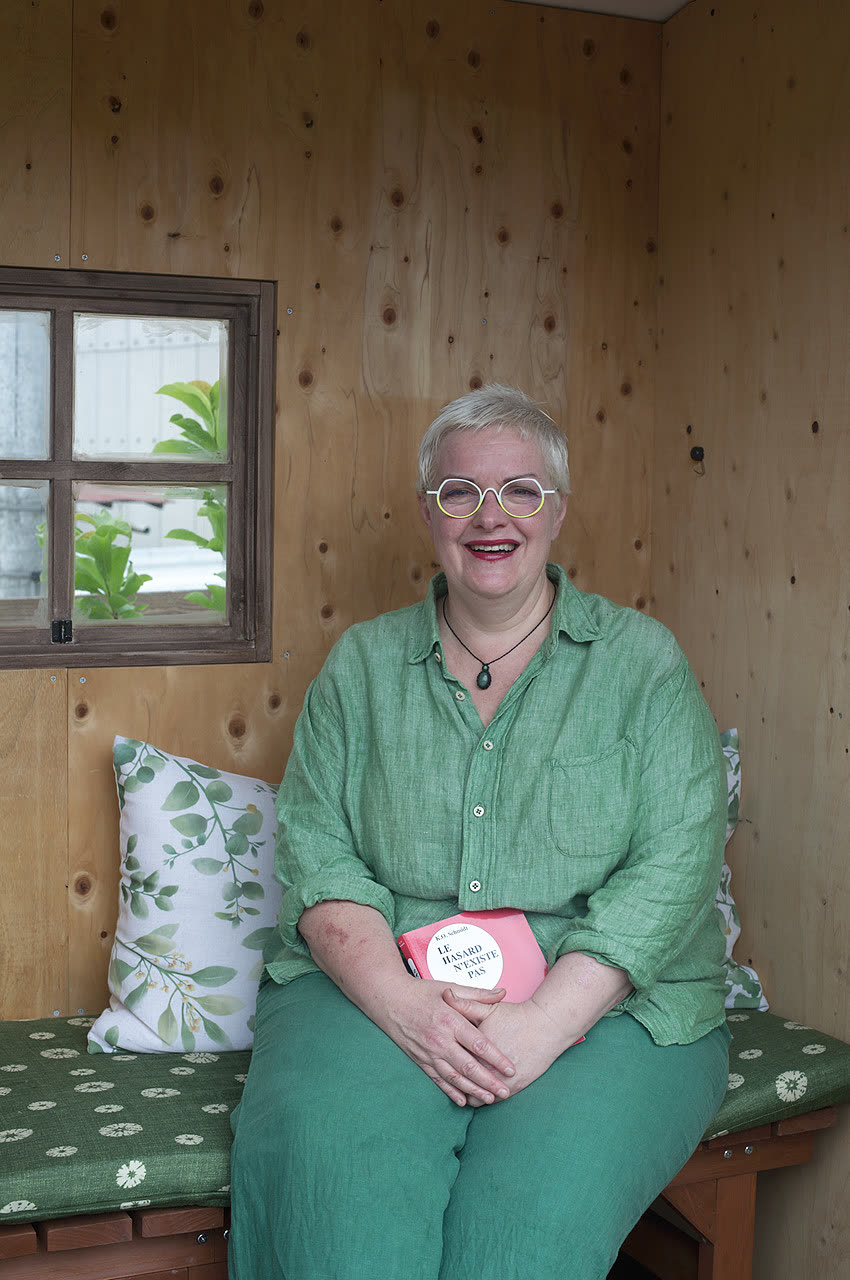
Isabelle Claus Teixeira

Written by Isabelle Claus Teixeira, Global TRE™ Certifying Trainer and ICF PCC executive coach, trained directly under Dr David Berceli. Published 5 November 2026. About Isabelle →

Related Reading

Keep Reading

Nervous system regulation & TRE™: a complete guide

How stress, the psoas and vagal tone fit together, and how to learn TRE™.

What happens during neurogenic tremoring?

What the tremor feels like, why it starts in the legs and how you stay in control.

Neurogenic tremors for stress and anxiety

What TRE™ can and cannot do, and when to speak to a professional first.

Talk It Through With Isabelle

Book a free discovery call. Share what you are looking for, ask your questions and get an honest view on whether TRE™, coaching or another kind of support is the right next step.

Book a Free Discovery Call →