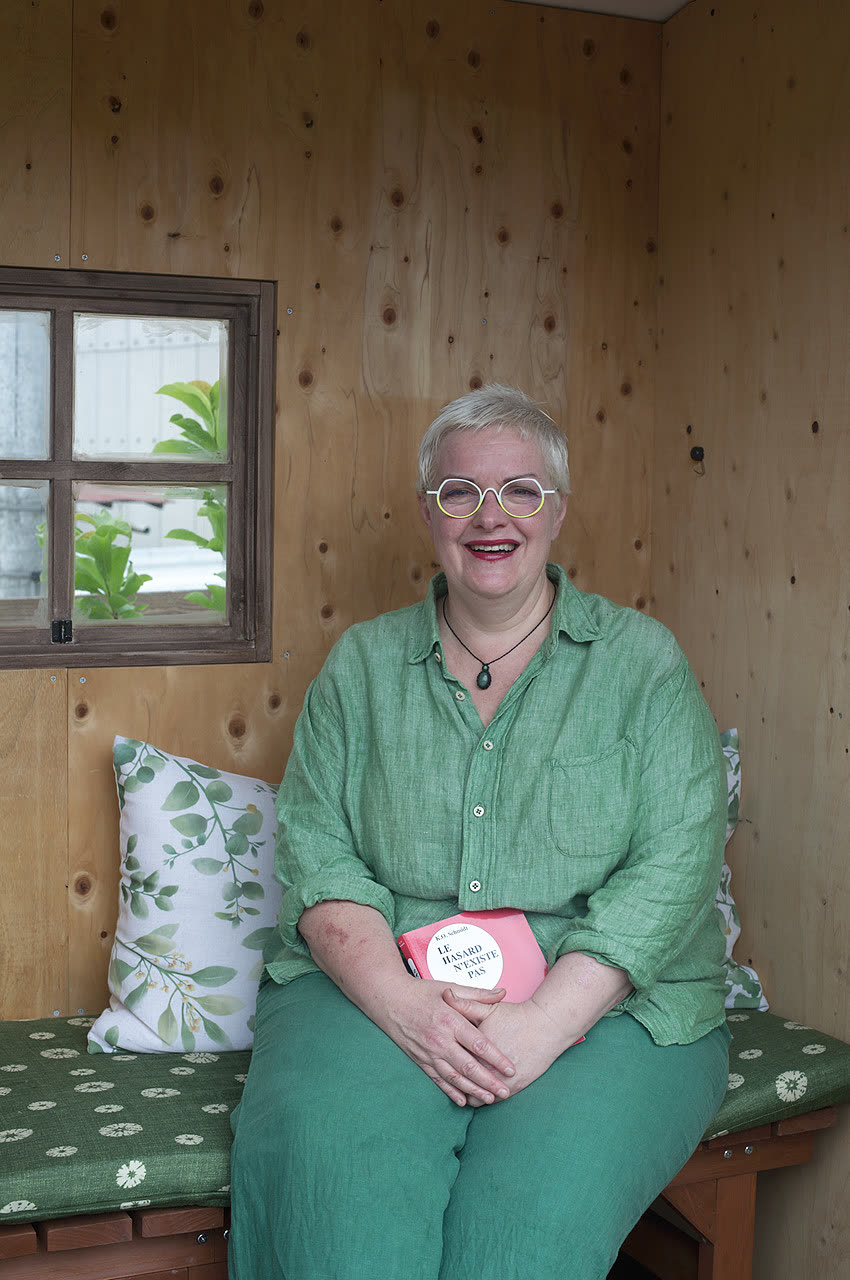
What TRE™ can and cannot do: where tremoring may help, where it does not, and how to use it safely alongside other support.
The short answer
TRE™ may help you release physical tension and feel calmer, and many people use it as a simple, regular practice for stress. It is not a treatment for an anxiety disorder, and it does not replace medical or psychological care. Learned gently, with a certified provider at first, it can sit well alongside both.
The Honest Answer
Can Neurogenic Tremors Help With Stress and Anxiety?
They may help. Many people find that tremoring releases physical tension and leaves them calmer, looser and more grounded. Research on TRE™ is still young: small studies and practitioner reports describe reductions in stress and anxiety, but there are not yet large, controlled trials. Think of it as a self-regulation practice, not a treatment.
One published pilot study followed 21 caregivers at an SOS Children’s Village in Cape Town who practised TRE™ for 10 weeks. 91% kept to the practice schedule, and their self-rated quality of life improved (Berceli et al., Global Advances in Health and Medicine, 2014). It was a small study without a comparison group, so it shows TRE™ is practical and well received, not that it is proven to work.
People who practise regularly often report deeper sleep, more energy, steadier focus and more calm in stressful moments. These are reports, not guarantees, and everyone’s experience is different.
Two Different Things
What Is the Difference Between Stress and Anxiety?
Stress is the body’s response to a demand or pressure, and it usually eases when the pressure passes. Anxiety is a sense of worry or threat that can continue without a clear, present cause. Both draw on the same alarm system in the body, which is why body-based practices can be relevant to each.
When you are anxious, the body often behaves as if danger is near: a faster heartbeat, shallow breathing, tight muscles, a restless stomach. Talking yourself out of it can be hard, because these signals start below conscious thought.
Anxiety becomes a health concern when it is persistent, intense or gets in the way of daily life. That needs a proper assessment from a doctor or mental health professional, whatever else you try.
The Mechanism
How Might Tremoring Calm an Anxious Nervous System?
The idea behind TRE™ is that tremoring lets the body complete a natural stress response instead of holding on to it. Afterwards, many people feel calmer and more grounded. Just as important, learning to start and stop the tremor gives you a felt experience of being in control of your own body.
For people who feel anxious, that sense of control can matter as much as the release. You are not asked to relive anything or to push through discomfort. You stay present, feel the movement and decide when it is enough.
TRE™ cannot diagnose or treat an anxiety disorder, panic disorder or depression, and it does not replace therapy, medication or medical advice. It will not remove the causes of stress in your life, and it is not a quick fix. It is also not right for everyone without professional guidance first.
Speak to your doctor or therapist before you start if any of these apply:
a mental health condition that needs close clinical management, such as PTSD, bipolar disorder, psychosis or severe depression;
a history of complex trauma, or a tendency to feel detached, numb or “not here” under stress;
recently starting, stopping or changing psychiatric medication;
pregnancy, a heart or neurological condition such as epilepsy, or a recent injury or surgery.
If you are in crisis or thinking of harming yourself, contact your local emergency number or a crisis line now.
Going Gently
Can Tremoring Make Anxiety Worse?
It can if you do too much too soon. Tremoring for long periods, or pushing past what your body is ready for, can leave you stirred up, tearful or tired. That is why early sessions use short tremor periods, you learn to stop at any moment, and the first sessions are guided by a certified provider.
Practitioners often talk about staying inside your “window of tolerance”, a term coined by psychiatrist Dan Siegel for the zone in which you can feel strong sensations and still think clearly. Good TRE™ practice keeps you inside that window: the aim is steadiness, not intensity.
If tremoring ever leaves you feeling unsafe or overwhelmed, stop, rest and contact your facilitator before practising again. Full guidance is in Is TRE™ safe?
First Steps
How Can You Start TRE™ Safely?
Start with a certified provider, in an introductory workshop or in one-to-one sessions, in person or online. Tell them about your health and any anxiety you experience. Most people learn the practice in 3–4 guided sessions, then practise on their own, with support whenever they need it.
With Isabelle, the first step is a free discovery call. She will ask about your health and history, answer your questions and tell you honestly whether TRE™ is a good fit right now. You can also join an upcoming workshop, browse the TRE™ FAQ or, if you want to go further, see the TRE™ certification path.
Questions
Stress & Anxiety FAQ
Should I stop my medication if TRE™ helps?
No. Never change or stop medication without your doctor. TRE™ is a self-help practice that many people use alongside medical and psychological care, not instead of it.
Is TRE™ a form of therapy?
No. TRE™ is a self-help practice, not a therapy. It works with the body rather than through conversation, and many people use it alongside therapy, coaching or medical care, not instead of them.
Do I need to talk about what makes me anxious?
No. You never need to talk about what happened. The body releases in its own way, and no story is needed.
Can I learn TRE™ online?
Yes, with the right setup. Sessions run online via Zoom. Your facilitator needs to see your whole body on camera, and we ask for a trusted person nearby and a signed consent form. See how to prepare for an online session.
This article is general information, not medical advice. TRE™ is a self-help practice and is not a substitute for diagnosis or treatment by a doctor or mental health professional.
Written by Isabelle Claus Teixeira, Global TRE™ Certifying Trainer and ICF PCC executive coach, trained directly under Dr David Berceli. Published 5 November 2026. About Isabelle →
Coaching that includes the body, in person in Singapore and online.
Talk It Through First
Book a free discovery call. Isabelle will ask about your health and history, answer your questions and tell you honestly whether TRE™ is a good fit right now.