TRE™ Safety Guide

Is TRE™ Safe?

What to know before you start: how the tremors work, how to stay in control, and who should speak to a professional first.

The short answer

For most healthy adults, TRE™ is a gentle, low-risk practice. You lie on a mat, a few simple exercises invite the body’s natural tremor reflex, and you can stop the tremors at any moment. A small group of people should talk to their doctor or therapist first, and everyone should learn it with a certified provider before practising alone.

What Actually Happens

You Stay in Control

TRE™ (Tension and Trauma Releasing Exercises) was developed by Dr. David Berceli. A short sequence of stretches gently tires the leg muscles. You then lie down with your knees bent, and the body begins to tremor on its own — a natural reflex many mammals use to settle after stress.

The tremors are usually mild: a soft shaking in the legs that may travel to the hips, back or arms. They are not painful and they are not a seizure. Most importantly, they are self-regulated: you choose how long they last.

How to pause or stop

Check First

Who Should Speak to a Professional First

TRE™ is not a medical treatment. TRE Global advises anyone with conditions that need strict medical or psychiatric regulation, fragile psychological defences, a complex trauma history or physical limitations to consult their doctor first. In practice, that means checking first if any of these apply to you.

Mental health conditions

Conditions that need close clinical management, such as PTSD, bipolar disorder, psychosis or severe depression.

Complex trauma or dissociation

A history of complex trauma, or a tendency to feel detached, numb or “not here” under stress.

Recent injury or surgery

Especially to the back, hips, knees or legs, or any condition that limits how you can move or lie down.

Heart or neurological conditions

Including heart conditions, epilepsy or other seizure disorders.

Pregnancy

Check with your doctor or midwife, and let your facilitator know before the session.

Medication changes

If you have recently started, stopped or changed psychiatric medication.

Afterwards

What You Might Notice

Most people feel calmer, looser and more grounded after a session. Some also notice:

These effects are usually mild and short-lived. Drink water, rest, and keep your next practice shorter. If something feels like too much, stop practising and contact your facilitator.

Our Approach

How We Keep Practice Safe

Certified guidance

Sessions are led by Isabelle, a Global TRE™ Certifying Trainer, or by certified TRE™ providers.

Small doses first

Short tremor periods at the start, building slowly. Less is more, especially in the beginning.

Consent and health check

You complete a consent form and tell your facilitator about any health conditions before your first session, so the practice fits you.

Safe online setup

Full-body camera view and a trusted person nearby. See the setup guide.

Towards independence

After 3–4 guided sessions most people practise on their own, with support whenever they need it.

No story needed

You never have to talk about what happened. The body releases in its own way.

Honest Evidence

What the Research Says

Research on TRE™ is still young. Small studies and practitioner reports describe reductions in stress, anxiety and physical tension, but there are not yet large, controlled trials. We present TRE™ as what it is: a simple, body-based self-regulation practice that many people find helpful — alongside, not instead of, medical or psychological care.

One published pilot study followed 21 caregivers at an SOS Children’s Village in Cape Town who practised TRE™ for 10 weeks. 91% kept to the practice schedule, and their self-rated quality of life improved (Berceli et al., Global Advances in Health and Medicine, 2014). It was a small study without a comparison group, so it shows TRE™ is practical and well received, not that it is proven to work.

Want to understand the mechanism? Read why the body shakes: the science of neurogenic tremors.

This guide is general information, not medical advice. TRE™ is a self-help practice and is not a substitute for diagnosis or treatment by a doctor or mental health professional.

Questions

Safety FAQ

Can TRE™ make things worse?

It can feel like too much if you tremor for too long or push past what your body is ready for. That is why we start with short tremor periods, teach you how to stop at any time, and keep the first sessions guided. If you have a history of complex trauma or dissociation, speak to your therapist or doctor before you start.

Can I do TRE™ on my own?

Yes, once you know how to regulate the tremors. Most people learn the practice in 3–4 guided sessions with a certified provider and then practise independently as a lifelong self-regulation tool.

How do I stop the tremors?

Straighten your legs and lie flat, or roll onto your side. The tremors settle within moments. You stay in control the whole time.

Is an online TRE™ session safe?

Yes, with the right setup. Your facilitator needs to see your whole body on camera, and we ask for a trusted person nearby and a signed consent form. See how to prepare for an online session.

Is TRE™ safe during pregnancy?

Please speak to your doctor or midwife first, and tell your facilitator you are pregnant before the session so the practice can be adapted or postponed.

More questions? See the full TRE™ FAQ.
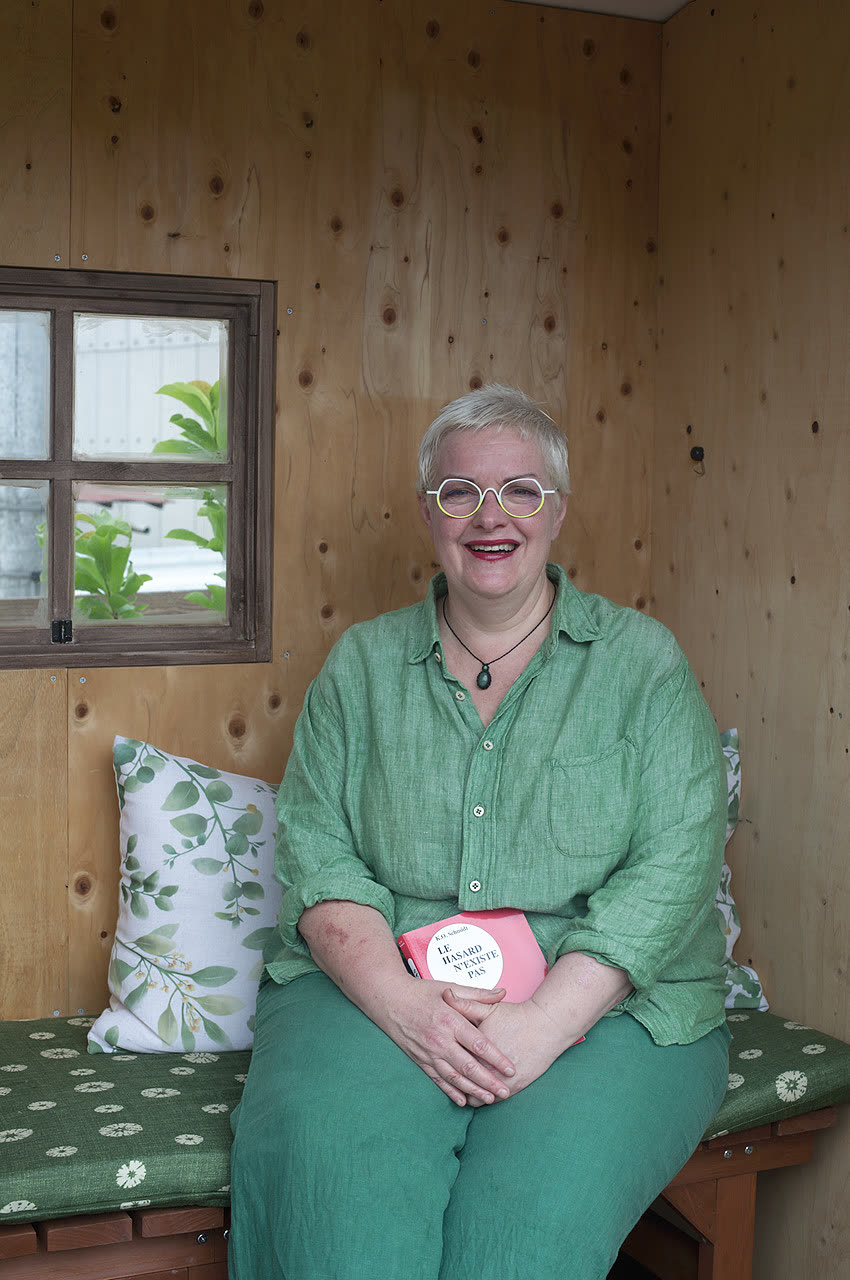
Isabelle Claus Teixeira

Written by Isabelle Claus Teixeira, Global TRE™ Certifying Trainer and ICF PCC executive coach, trained directly under Dr. David Berceli. About Isabelle →

Not Sure If TRE™ Is Right for You?

Book a free discovery call. Isabelle will ask about your health and history, answer your questions and tell you honestly whether TRE™ is a good fit right now.

Book a Free Discovery Call →